The National Common Mobility Card (NCMC) is an interoperable, contactless smart card launched by the Government of India under the “One Nation, One Card” vision. It allows you to use a single card for public transit (metro, buses), tolls, parking, and everyday retail shopping across the country. [1, 2, 3]
Core Features
- Dual Functionality: The card acts as a standard debit/credit card for ATM withdrawals and retail purchases, and features a separate “offline wallet” for quick, tap-and-go transit payments.
- Interoperability: It is accepted across various transit operators and smart city projects nationwide.
- Offline Transactions: The embedded chip allows for secure, offline payments for transit without the need for real-time server verification. [1, 2, 3, 4, 5]
Where to Get It
You can get an NCMC-enabled RuPay card through partnered banks, which issue them as prepaid, debit, or credit cards. [1]
- Public Sector Banks: State Bank of India (SBI), Punjab National Bank, Canara Bank, and Bank of India.
- Private Banks: Federal Bank, among others. [1, 2, 3, 4]
How to Use & Manage
- Transit Usage: Simply tap your card on the designated NCMC reader at metro gates or bus validators to pay your fare.
- Recharges: Top up your card’s transit balance online via your issuing bank’s portal or app, and validate it at a customer care window or ticket counter at operational transit stations. [1, 2, 3]
Nomenclature
The proper general term is usually “Smart Card” or “Contactless Smart Card”. In metro systems, it is also called a Transit Card, Metro Card, or Stored-value Card. Many systems now use NFC/RFID technology, so you simply tap or scan it at the gate.
Technically, the little plastic token for one journey is often called a Smart Token, while the rechargeable reusable one is the Smart Card.
In India, metro authorities officially use names like:
- Contactless Smart Card — common official term in metro rules
- Metro Smart Card
- NCMC (National Common Mobility Card) for newer interoperable cards usable across different transport systems
Different cities and countries give them brand names too:
- Mumbai Metro One Smart Card
- DMRC Smart Card
- Navigo card
- Troika card
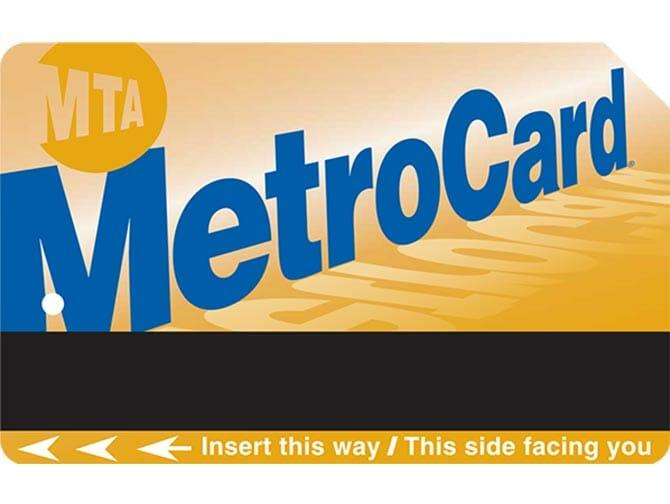
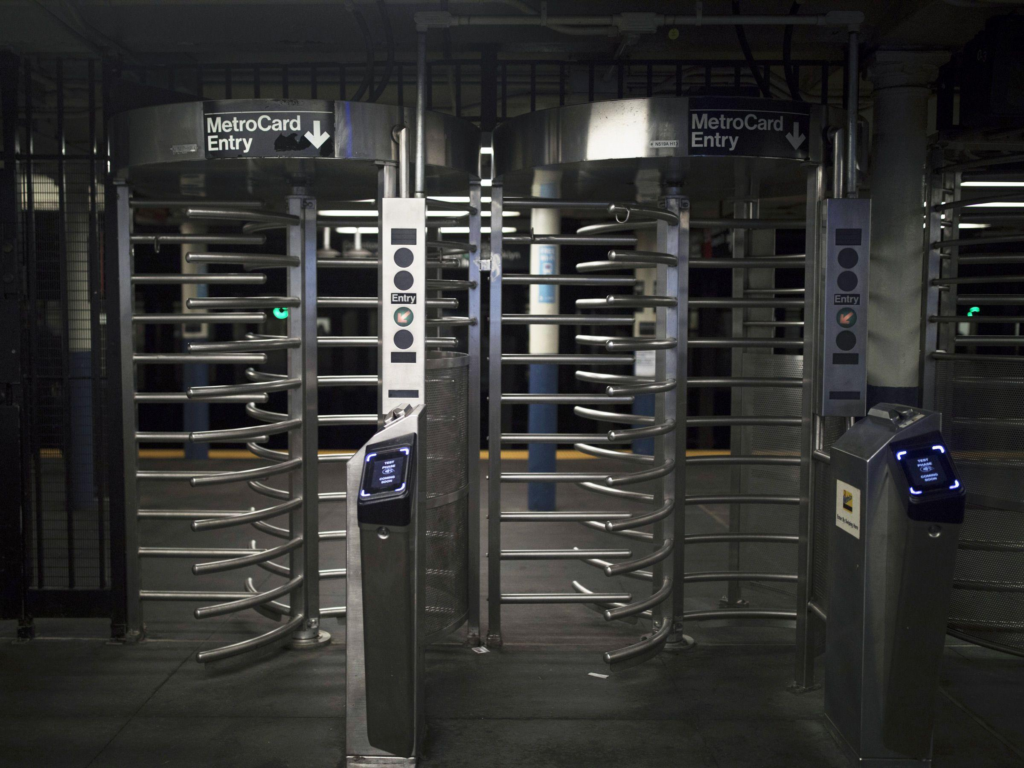
- MetroCard
Technically, the little plastic token for one journey is often called a Smart Token, while the rechargeable reusable one is the Smart Card.
DMRC Smart Card
The DMRC Smart Card is a rechargeable contactless travel card issued by the Delhi Metro Rail Corporation (DMRC) for use across the Delhi Metro network in India’s National Capital Region. It provides a convenient, cashless, and faster alternative to purchasing single-journey tokens, and is widely used by daily commuters.
Key facts
- Issuer: Delhi Metro Rail Corporation (DMRC)
- Card type: Contactless stored-value smart card
- Initial deposit: ₹50 (refundable)
- Recharge limit: Up to ₹6,000 per top-up
- Discount: 10% on every metro ride
Usage and benefits
The DMRC Smart Card functions through Near Field Communication (NFC) technology, allowing users to tap in and out at entry and exit gates. It reduces queuing time, ensures smoother crowd management, and offers fare discounts compared with tokens. The card can be used for unlimited rides until the stored balance is exhausted, and there is no expiry as long as it remains active with regular use.
Recharge and management
Cards can be recharged at metro station counters, Ticket Vending Machines, or online through the official DMRC website, mobile app, and digital wallets such as Paytm or Amazon Pay. Auto top-up facilities are also available via linked accounts, particularly for cards integrated with banking partners like the State Bank of India.
Additional applications
Beyond fare payment, the smart card may be used at select parking lots and feeder bus services operated under DMRC. Integration efforts have expanded its utility to certain retail outlets and last-mile transit services, supporting Delhi’s broader push toward digital and multimodal urban mobility.
Security and refund policy
Each card is linked to a unique ID to prevent misuse. In case of loss, users can block the card and recover the remaining balance after verification. The security deposit is refunded upon surrender, making it a reliable and reusable travel companion across the Delhi Metro network.


Mumbai Metro One Smart Card
The Mumbai Metro One Smart Card is a contactless stored-value travel card used for fare payments on Mumbai Metro One Private Limited, which operates Line 1 between Versova and Ghatkopar. It enables quick, cashless entry through automated fare collection (AFC) gates and is central to improving commuter convenience and system efficiency.
Key facts
- Introduced: 2014
- Operator: Mumbai Metro One Private Limited (MMOPL)
- Usage: Valid only on Line 1 (Versova–Andheri–Ghatkopar)
- Technology: Contactless smart card (RFID)
- Recharge options: Ticket counters, vending machines, and online portals
Function and technology
The card uses radio-frequency identification (RFID) technology to store fare value and trip history securely. Passengers tap the card at entry and exit gates, where fare is automatically deducted based on travel distance. This system eliminates the need for paper tickets and reduces queuing time during peak hours.
Purchase and recharge
Commuters can buy or top up the card at metro stations, authorized agents, or through digital platforms linked to MMOPL. Recharge denominations are flexible, and balance can be checked at automatic machines or via the metro’s website and app. Refundable deposits apply upon initial card issuance.
Integration and benefits
While the card is primarily valid on Line 1, it is part of Mumbai Metro’s broader smart mobility framework that aims for future interoperability across multiple metro lines and public transport systems in the city. Benefits include faster entry, promotional fare discounts, and reduced congestion at ticket counters.
Security and validity
The smart card is non-transferable and remains valid until the balance expires after prolonged inactivity. Lost or damaged cards can be replaced, subject to verification and reissuance fees, ensuring secure and reliable use for regular commuters.
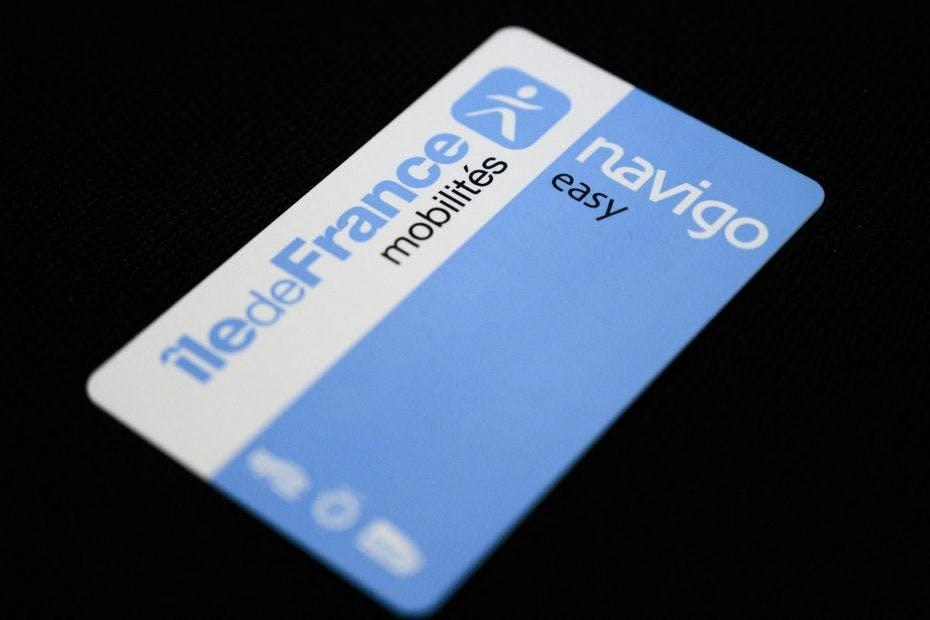
Navigo card
The Navigo card is a contactless smart card used for public transportation in the Paris region (Île-de-France). It provides electronic ticketing for travel on the metro, buses, trams, RER trains, and suburban rail networks. Managed by Île-de-France Mobilités, the card simplifies fare payment and integrates multiple transport operators under a single system.
Key facts
- Introduced: 2001 (fully contactless since 2008)
- Coverage: Île-de-France region, including Paris and suburbs
- Card types: Navigo Découverte, Navigo Easy, Navigo Liberté+, and annual or monthly passes
- Technology: Contactless RFID smart card
- Operator: Île-de-France Mobilités
System and usage
The Navigo card replaces paper tickets by storing travel passes or pay-per-ride credits electronically. Travelers can load weekly, monthly, or annual passes, or pay per journey through products like Navigo Liberté+. The card is validated by tapping it on readers at turnstiles or bus terminals. Users can recharge online, at stations, or via NFC-enabled smartphones.
Troika card
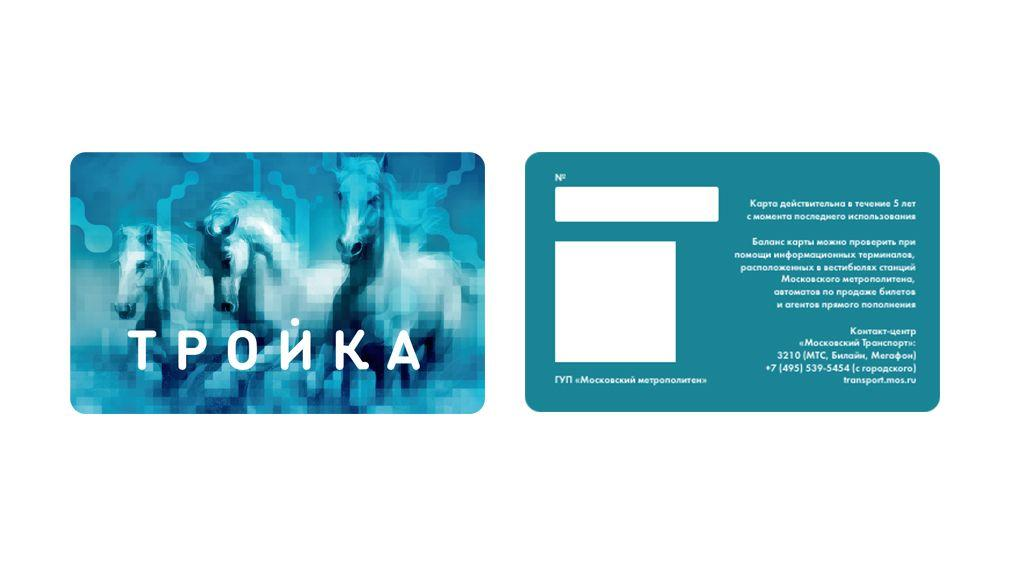
The Troika card (Russian: «Тройка») is a reusable contactless smart card used for public transportation in Moscow, Russia. It enables seamless fare payment across the city’s extensive transit network, including the metro, buses, trams, and suburban trains, and has become the primary fare medium for Moscow’s unified transport system.
Key facts
- Introduced: 2013
- Issuer: Moscow Department of Transport
- Technology: MIFARE-based contactless chip
- Coverage: Metro, bus, tram, trolleybus, monorail, suburban trains
- Currency: Russian rubles (prepaid balance)
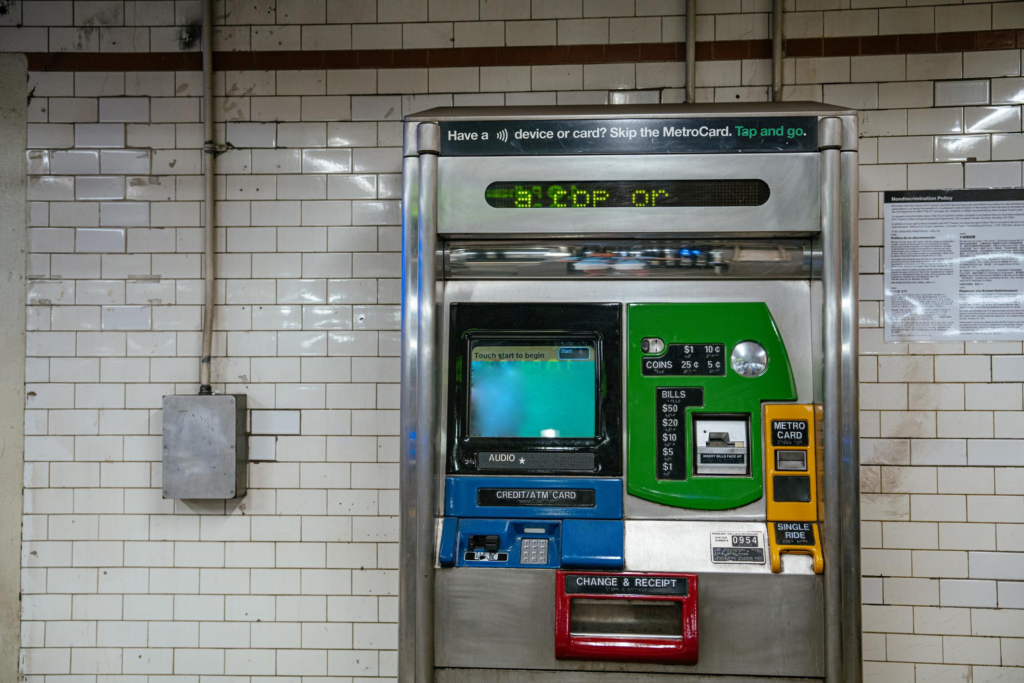
Metro Card, New York, USA