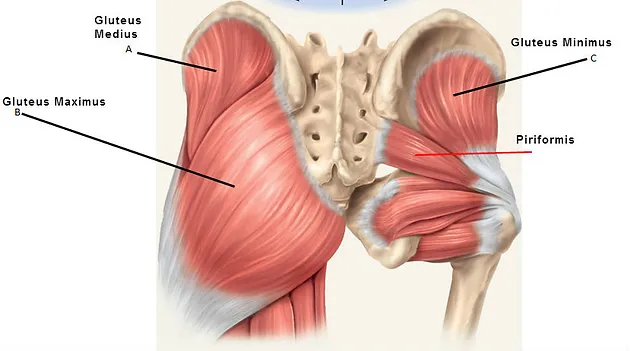
Glutes (gluteal muscles) are the three main muscles in the buttocks—maximus, medius, and minimus—which stabilize the pelvis, support the lower back, and drive hip movement. Synonyms include buttock muscles, gluteals, or colloquially, the hips or butt. Essential for mobility, they are strengthened by exercises like hip thrusts, squats, deadlifts, and lunges. Cleveland Clinic +5
Usage Examples & Functions (How They Work)
- Movement: They are crucial for extending, abducting, and rotating the thigh/hip, allowing for walking, running, and climbing stairs.
- Stability: They maintain pelvic alignment and provide balance when standing on one leg.
- Injury Prevention: Strong glutes reduce strain on the lower back and knees, preventing pain and improving posture. Nebraska Methodist Health System +3
Key Strengthening Exercises
- Glute Bridges: Lying on your back, lifting hips, and squeezing glutes to activate the muscles.
- Hip Thrusts: Effective for targeting the gluteus maximus.
- Side-Lying Hip Abduction: Targets the gluteus medius for improved stability.
- Weighted Lunges/Squats: Compound movements for overall development.
- Fire Hydrants: Done on hands and knees to engage the glutes in abduction and rotation. Nebraska Methodist Health System +4
Symptoms of Weak/Inactive Glutes
- Lower back or knee pain, especially during workouts.
- Feeling exercises in the quads or lower back instead of the glutes.
- Inability to maintain balance during single-leg movements. CNN
Synonyms for Glutes
- Gluteal muscles
- Buttocks/Butt
- Gluteals
- Hips Cleveland Clinic +2